AI photo trends 2026 are moving away from the plastic, over-smoothed look that defined the first wave of AI headshots, and toward portraits that read as real: natural skin texture, cinematic editorial lighting, one consistent style across a whole team, and photos that catch a moment instead of a stiff stare into the lens.
SelfAI is an AI photo studio and AI photo editor that turns your selfies into professional headshots, portraits and creative photos in minutes, on iOS and in your web browser. We track what people actually generate and ask for, and this guide walks through what has genuinely changed this year, not a list of hypothetical filters nobody uses.
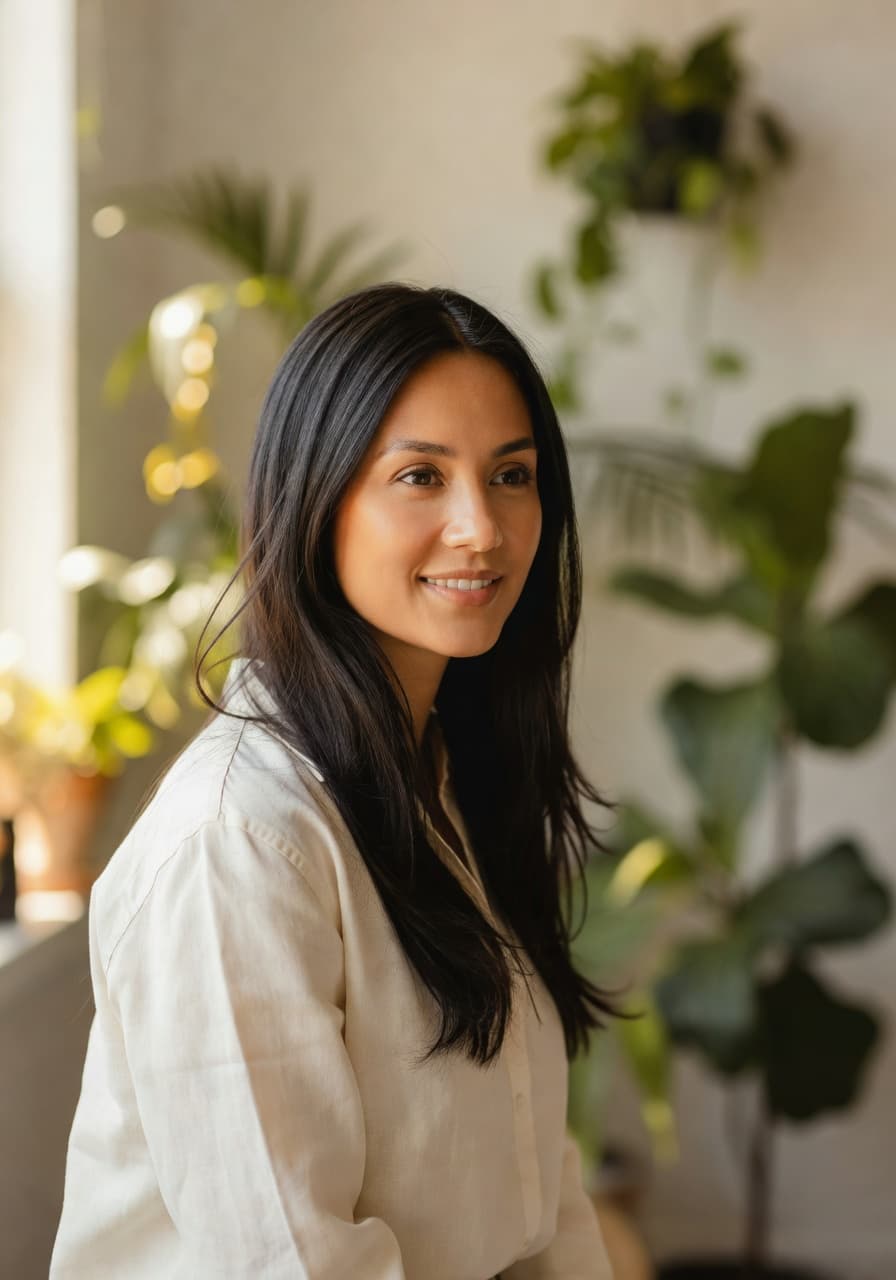
- Texture beats polish. The clearest shift in AI photo trends 2026 is visible skin texture and fewer over-smoothed, plastic-looking faces.
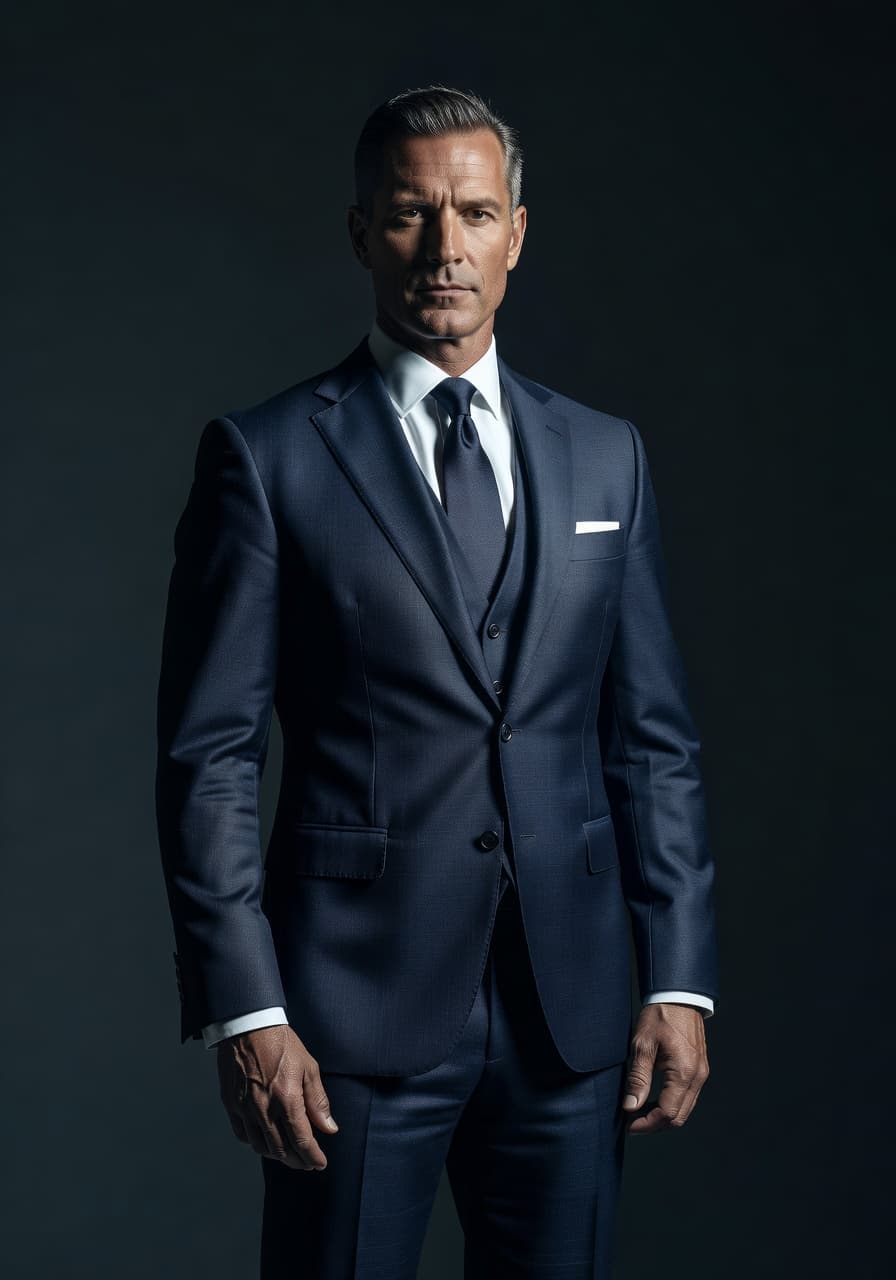
- Lighting reads as cinematic, not corporate. Soft directional light and a shallow depth of field are replacing flat, evenly-lit studio backdrops.
- Whole teams want one consistent look. Distributed companies increasingly generate matching headshots for every employee instead of booking a single group photoshoot.
- Candid energy is in. A relaxed, slightly in-motion feel is replacing the stiff, square-to-camera corporate stare.
- Testing beats booking. People compare several AI-generated styles in a couple of minutes instead of committing to one studio session.
What's actually different about AI photo trends in 2026
The short answer: AI headshots stopped trying to look like AI. Early tools leaned hard into an obviously synthetic look, poreless skin, waxy highlights, a background so smooth it felt like a green screen. That look aged fast, and it is the main thing 2026 is correcting for.
None of this is guesswork on our side. SelfAI generates a large volume of headshots and portraits every day, and the styles people actually pick, share and regenerate tell a consistent story: realism is winning over polish, and personality is winning over stiffness. It tracks a broader shift in generative artificial intelligence, where the newest models are judged on how convincingly ordinary their output looks, not on how dramatic it looks.
Trend 1: natural texture is replacing the airbrushed look
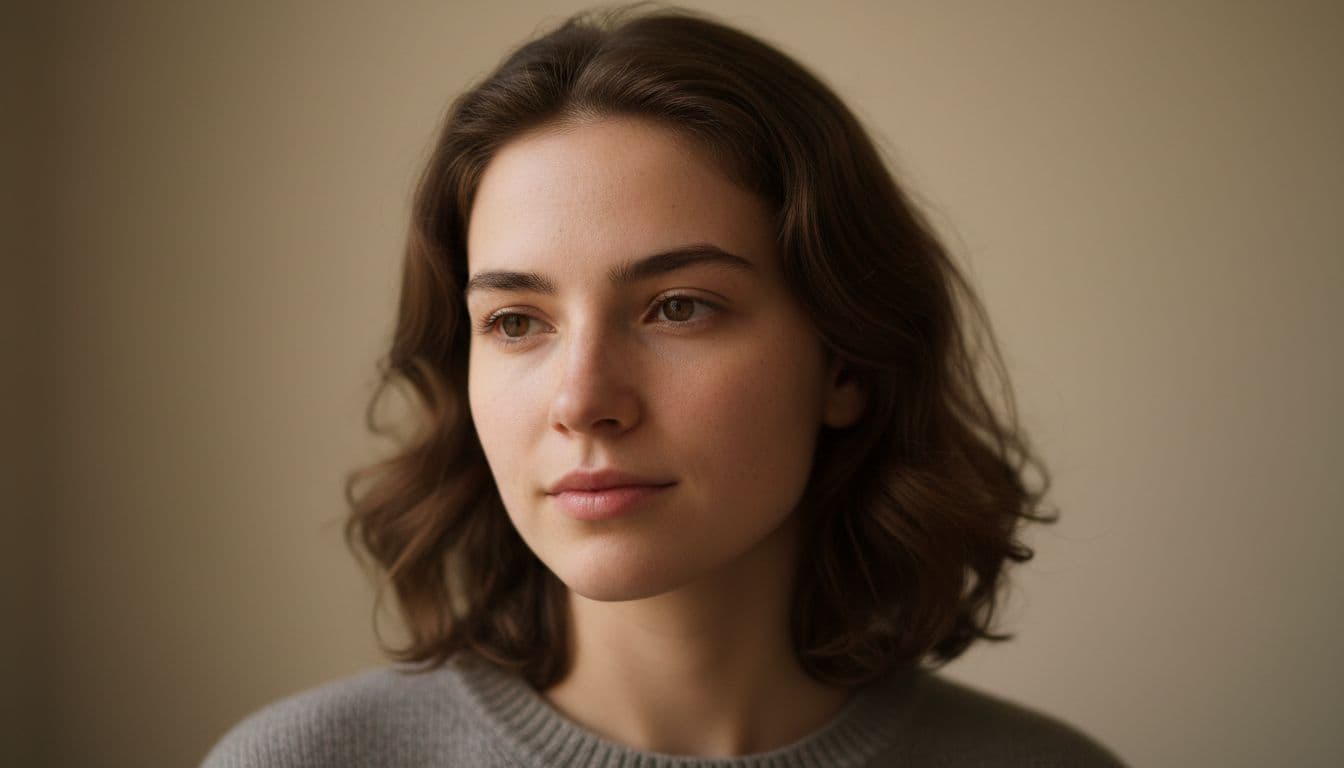
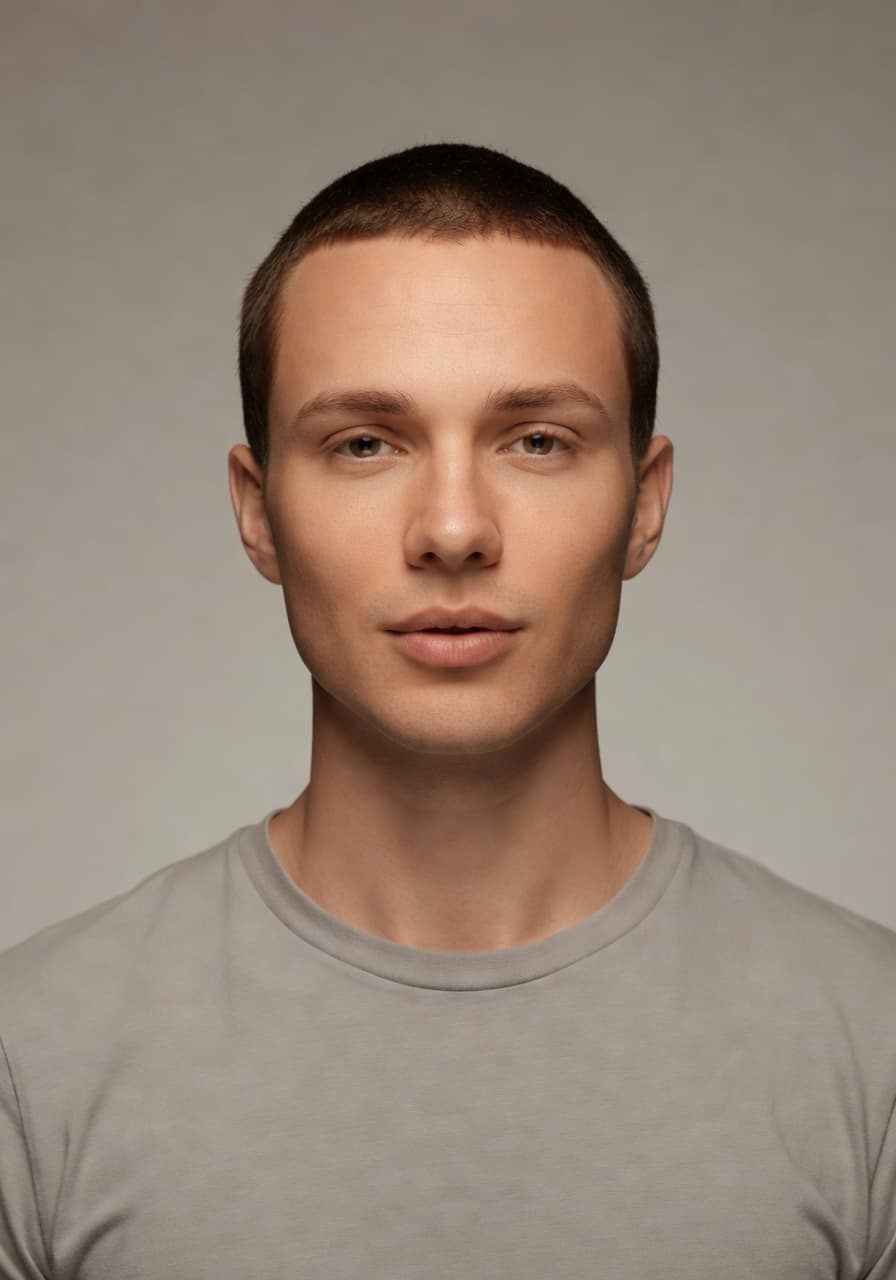
A year ago, "AI headshot" often meant skin smoothed to the point of looking like a video game character. In 2026, the most requested portraits keep pores, faint lines and a little natural shine. It is a more honest photo, and it is also a more trustworthy one: a face that looks slightly too perfect reads as fake within a second, on LinkedIn or anywhere else.
This matters for how an AI photo editor should treat your selfie. The job is not to erase your face and paint a generic one, it is to keep your identity, skin tone and features intact while improving lighting, wardrobe and background. That is the whole premise behind the monochrome and natural-light styles inside SelfAI: they add polish without erasing texture.
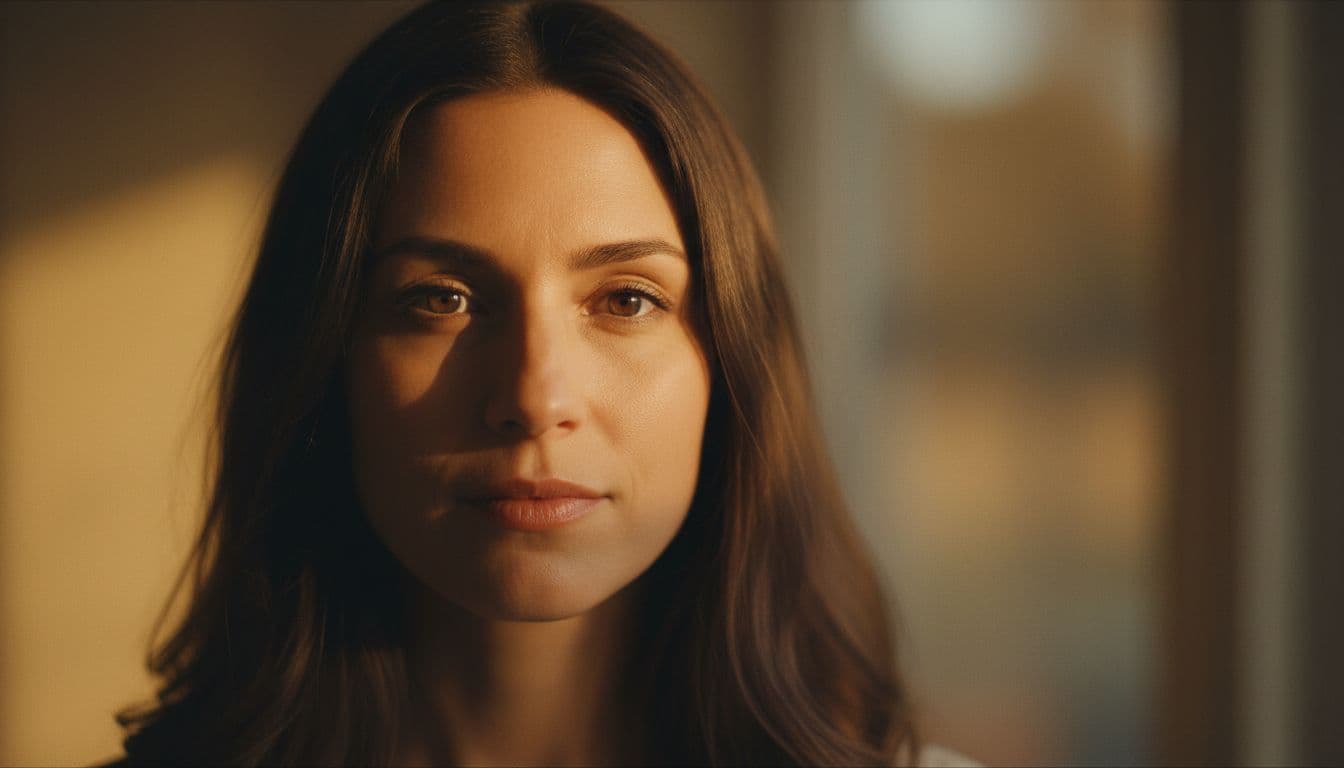
Trend 2: editorial, cinematic lighting over flat studio light
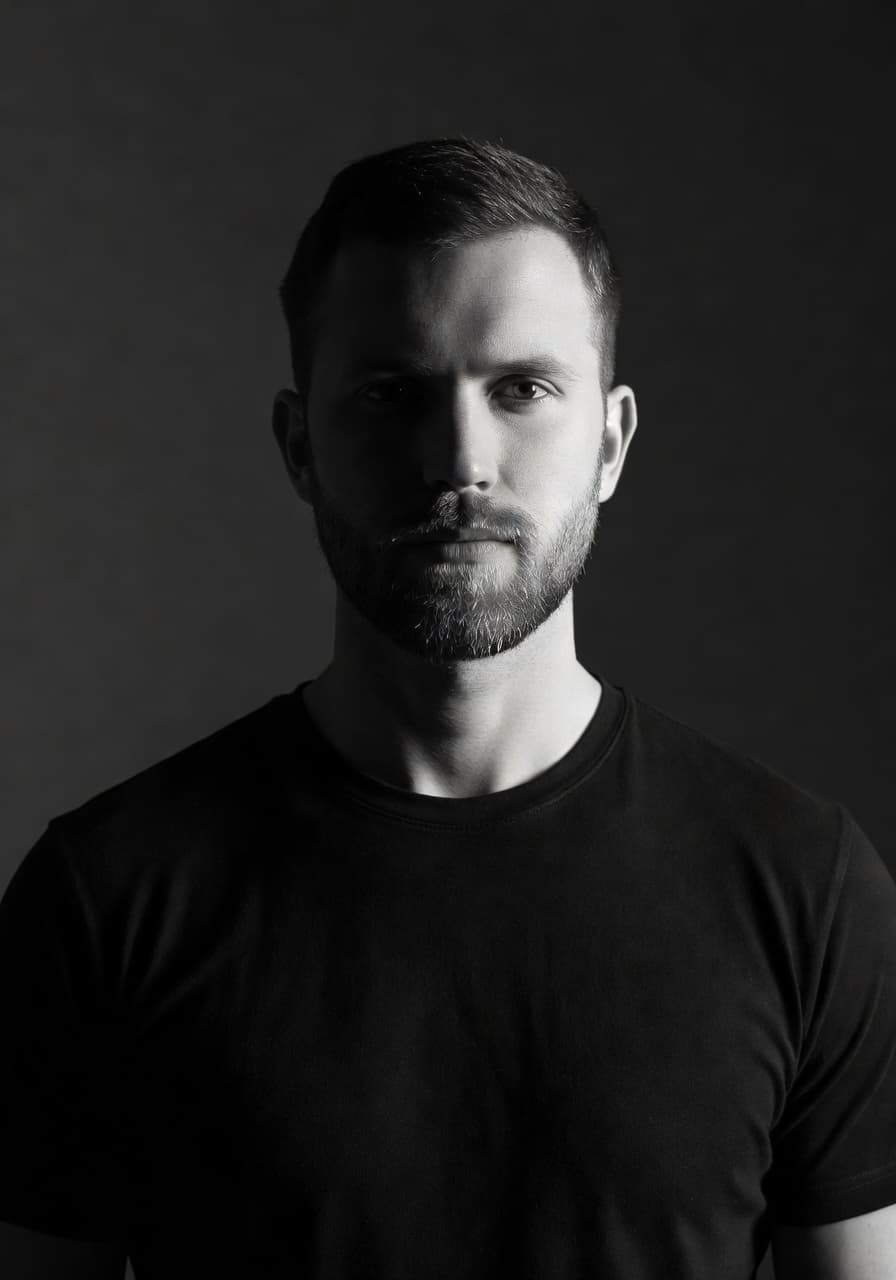
The flat, shadowless three-point studio look is fading in favor of something closer to a film still: one soft key light, gentle falloff on one side of the face, a background that is present but out of focus rather than a blank sweep of grey. It photographs less like a passport photo and more like a portrait someone actually composed.
This works well for LinkedIn and other professional profiles too, since it still meets the basic rule in LinkedIn’s own profile photo guidelines: a clear, well-lit, recognisable face. It just gives that face somewhere to live instead of floating on a void. If you want the plain neutral-backdrop version for something like a resume, that option has not gone away, it is simply no longer the only option.
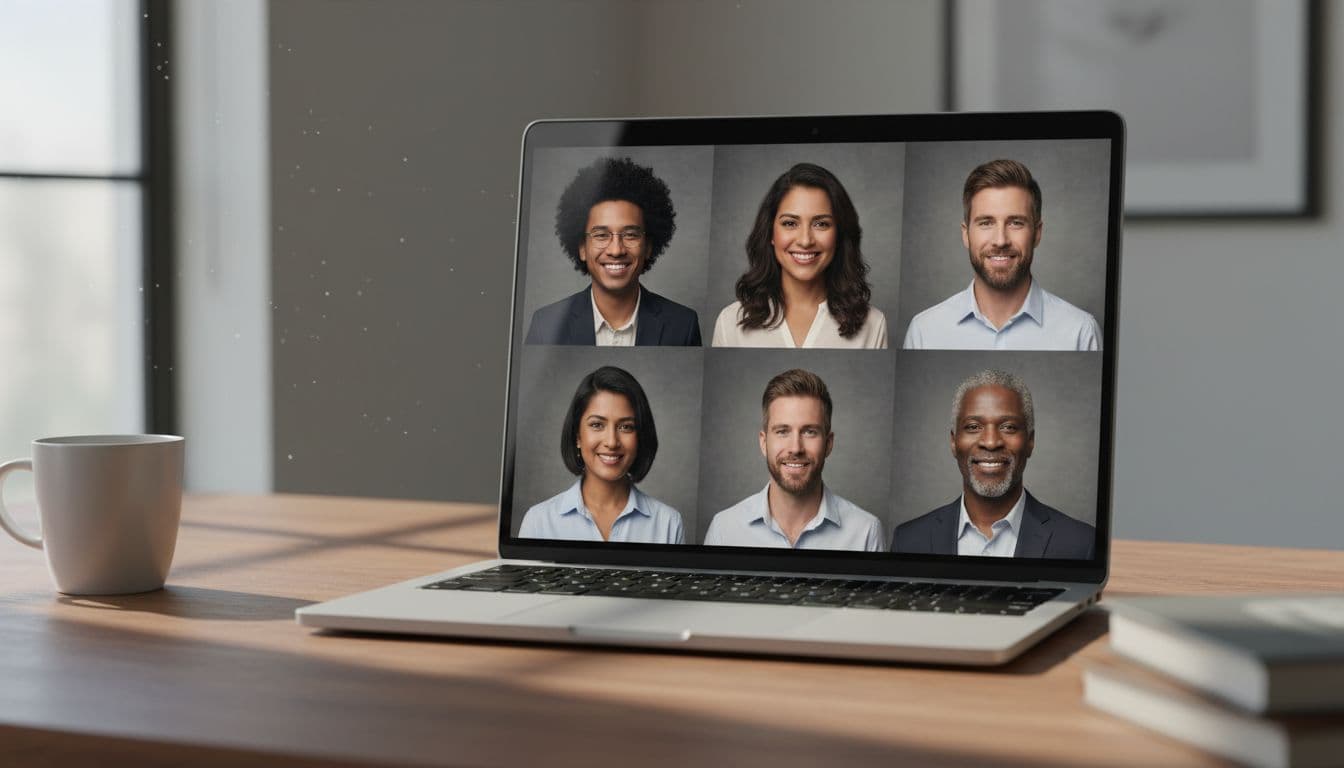
Trend 3: whole teams are generating one consistent style
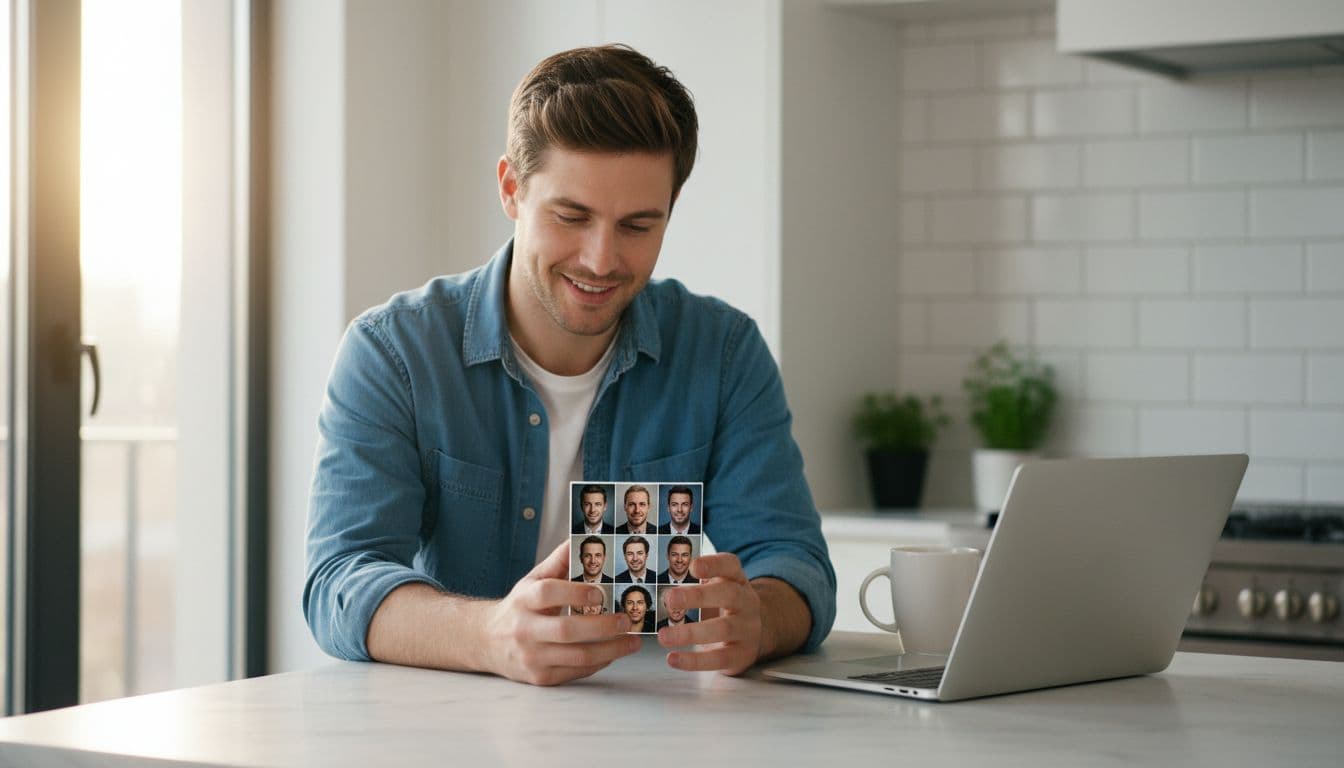
A quiet but significant shift: more of the headshot requests SelfAI sees now come in small batches from founders, agencies and remote teams who want every person on an About page, press kit or team directory to share the same backdrop, crop and lighting, even when nobody is in the same city.
That used to require flying a photographer between offices or living with a mismatched grid of LinkedIn photos, vacation selfies and old conference badges. Now a team picks one style, everyone uploads their own selfie, and the set comes back looking like it was shot on the same afternoon.
Trend 4: candid, in-motion portraits over stiff poses
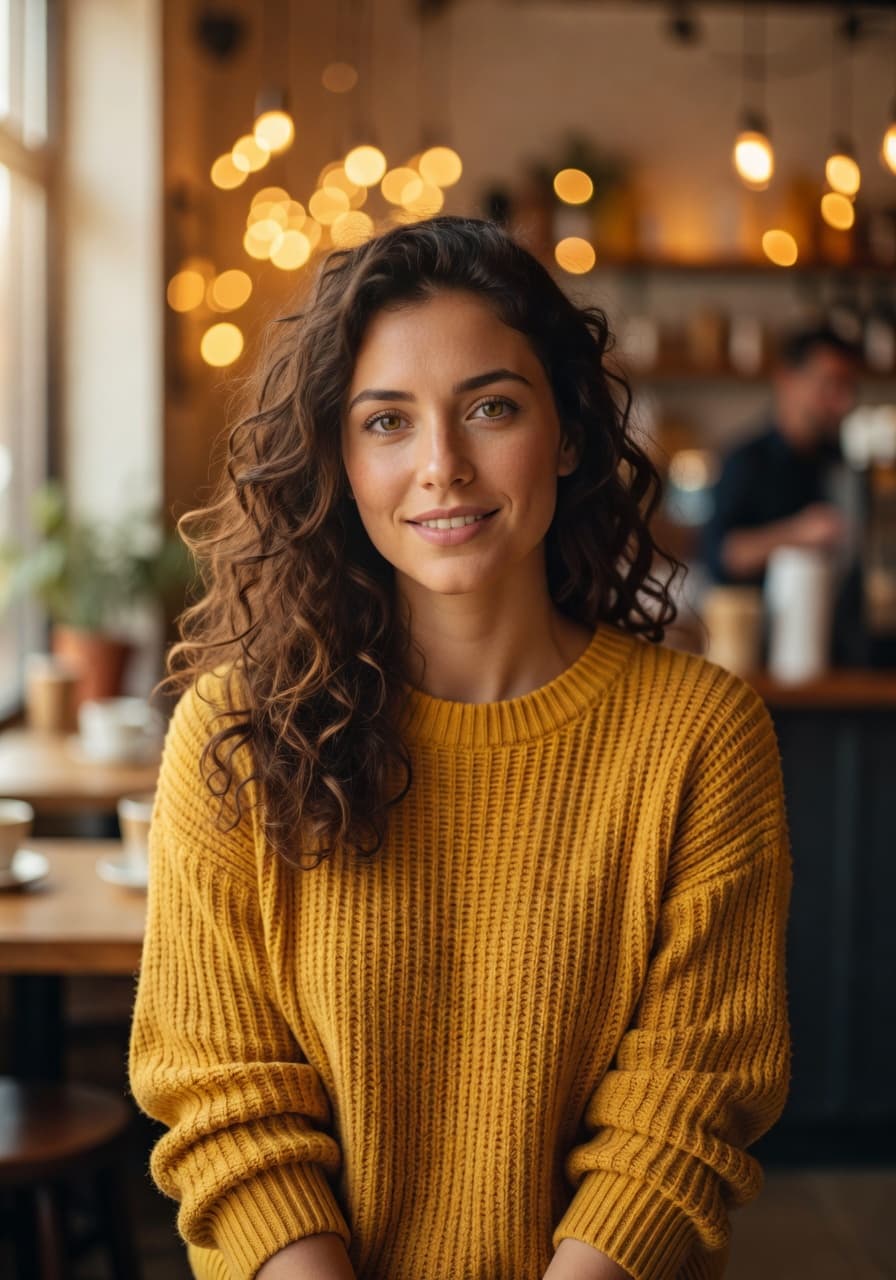
The classic corporate headshot, arms crossed, chin slightly down, tight closed-mouth smile, is losing ground to portraits that look mid-conversation: a head turned slightly, a genuine laugh, hair caught by a breath of wind. It is a small change that makes a big difference in how approachable a photo feels.
This trend leans hardest in creator, dating and personal-brand photos, where a static pose reads as try-hard, but it has crossed into professional photography too. A founder bio photo with a genuine half-smile now often outperforms a stiff one, at least by how often people say it "actually looks like them."
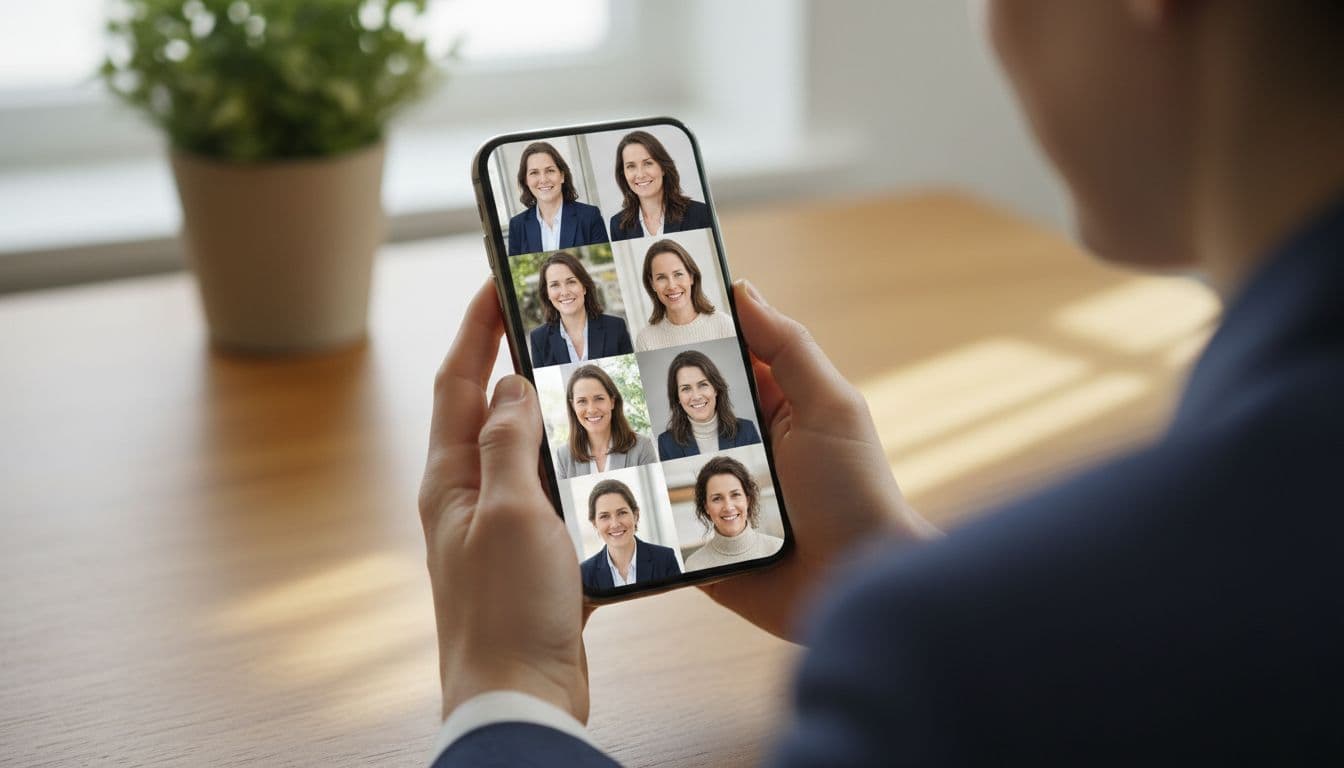
Trend 5: people test styles instead of booking one shoot
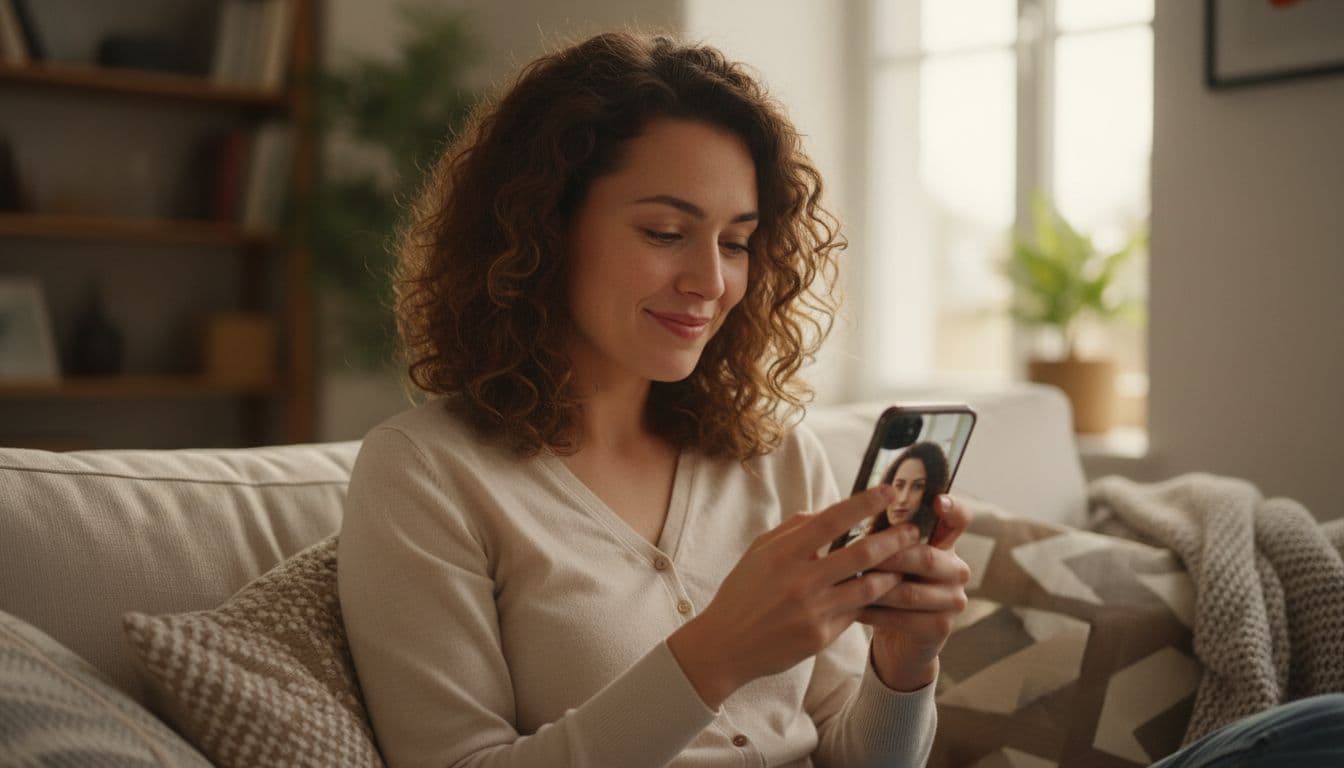
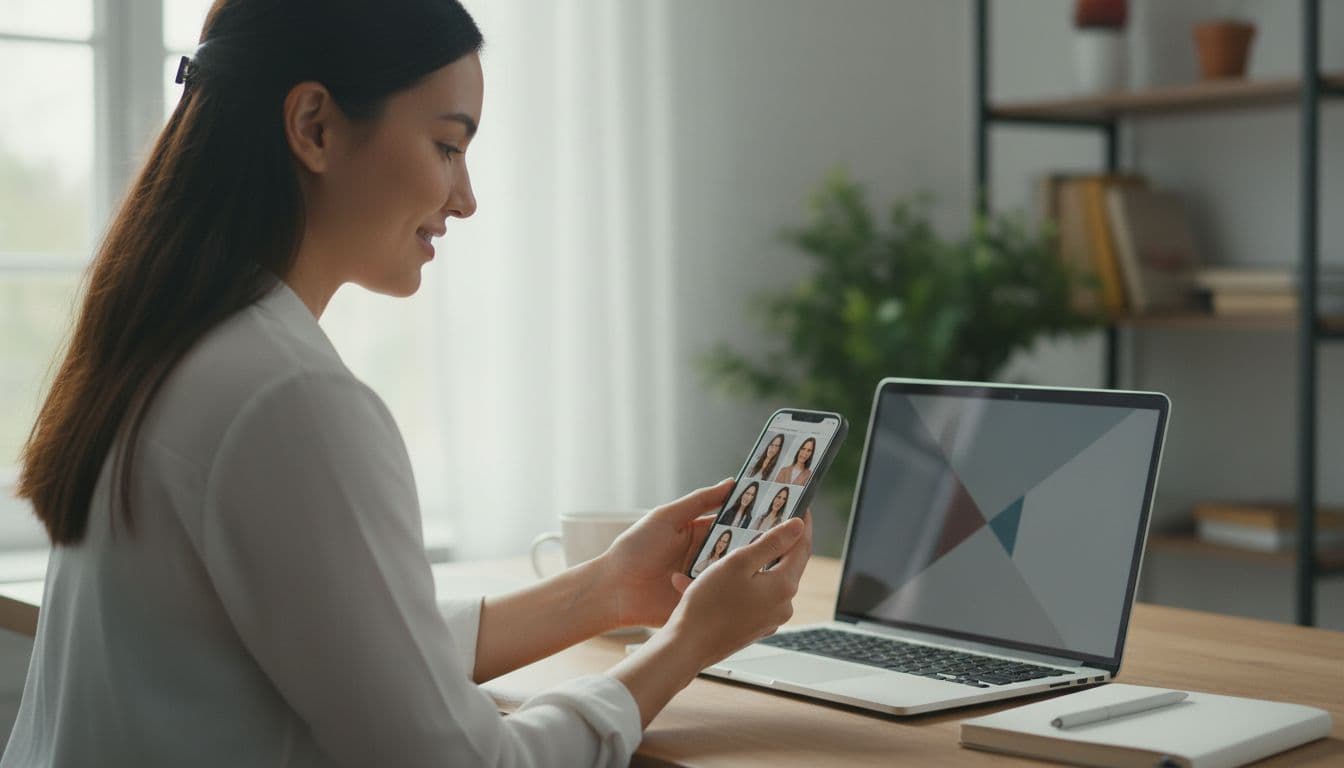
The old workflow was one photoshoot, one outfit, one background, and you lived with the results for years. The 2026 workflow looks more like trying on clothes: generate five or six styles from the same selfie, compare them side by side, and keep the ones that actually feel like you.
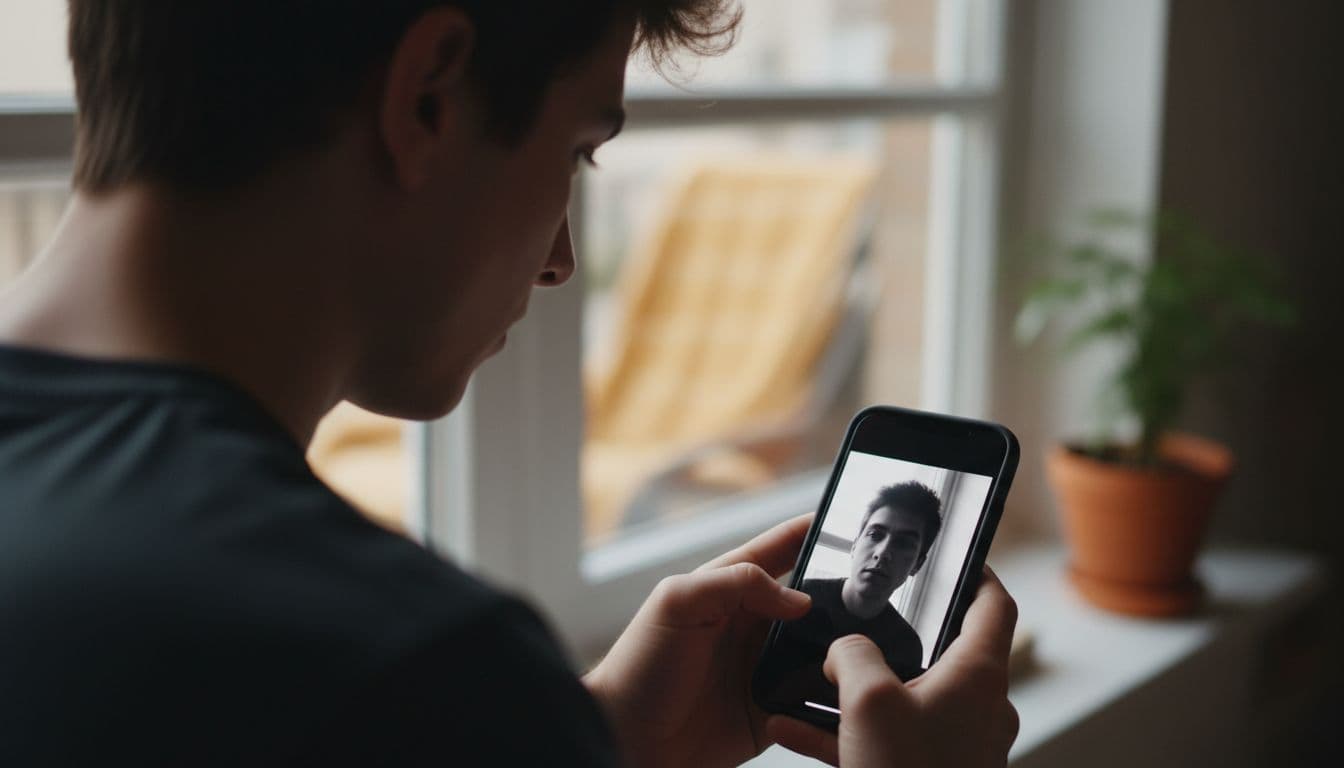
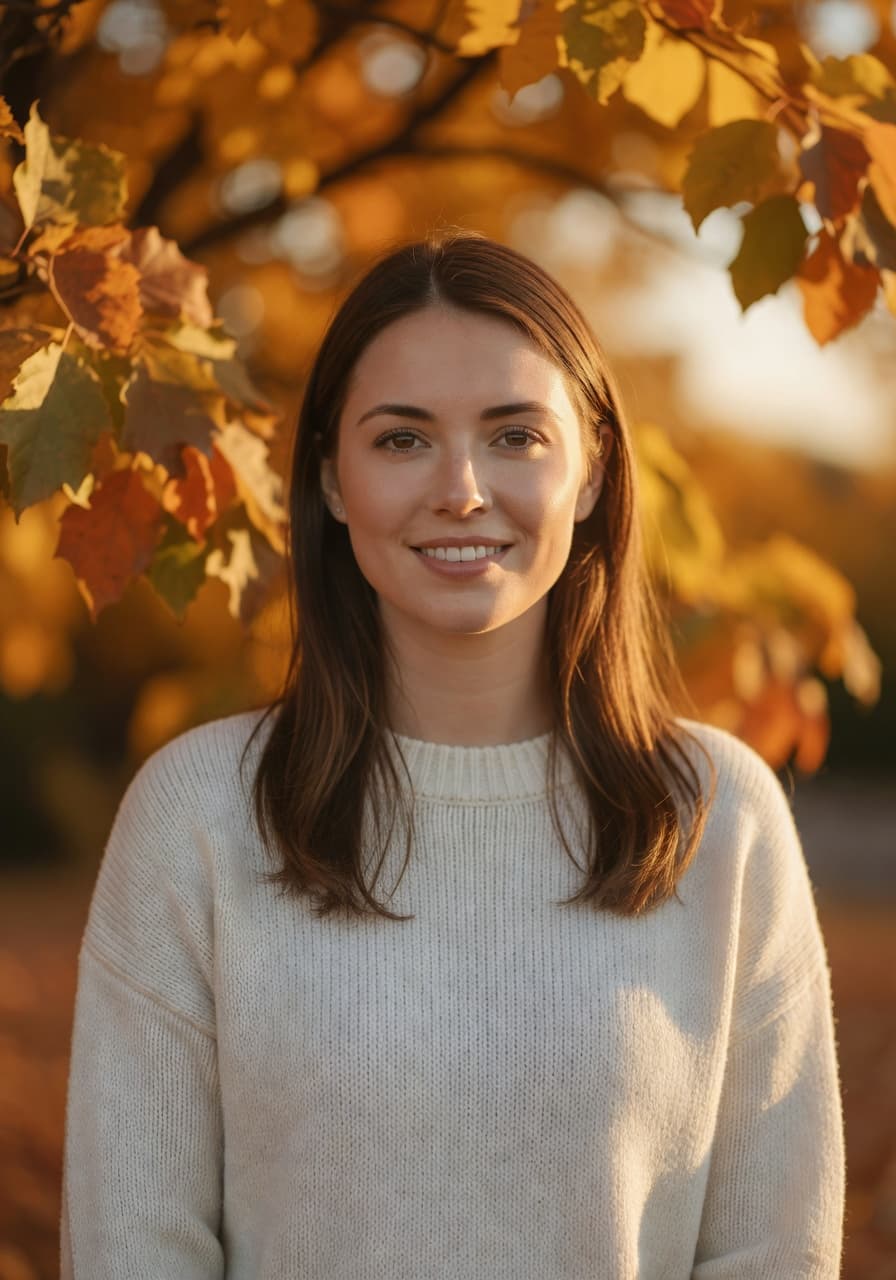
I ran this test myself with three selfies taken by a window on an ordinary Tuesday: one corporate headshot, one natural-light portrait and one editorial black-and-white look, all from SelfAI, all from the same photos. The corporate version was the one I expected to keep. The natural-light one was the one I actually used, because it looked the most like the photo a friend would take of me, not a stock library.
- Start with one good selfie, not a new photoshoot, taken in soft daylight with your whole face visible.
- Generate a few different styles from that same selfie so you are comparing looks, not comparing photos.
- Pick the one that still looks like you on a normal day, not the one that looks most retouched.
Where the trend outruns the reality
It is worth being honest about the limits here too. No AI photo trend fixes a blurry, badly-lit or heavily cropped source selfie: the model can restyle lighting and background, but it still needs to see your actual face clearly to keep the result looking like you. Start with a decent photo, not a screenshot of a screenshot.
It is also worth remembering that a trend is a starting point, not a rule. The cinematic, textured look is popular right now, but a plain neutral backdrop is still the right call for some ID photos, some agencies and some very conservative industries. Match the style to where the photo is actually going, not to whatever looks best in a gallery.
How to try 2026's AI photo trends yourself
You do not need special software or a professional camera to test any of this. SelfAI's photo styles gallery already includes natural-light, editorial, monochrome and executive looks that reflect exactly the shift described above, and each one is built to keep your face recognisable rather than replace it.
- Pick a recent, well-lit selfie. Daylight from a window beats any filter.
- Try more than one style. Comparing two or three takes under two minutes and tells you far more than reading about trends does.
- Favor the photo that looks like a good day, not a different person. That is the entire point of the current shift toward realism.
If you want a second opinion on which look actually performs best for a specific use case, our guide to the best AI headshot generator app in 2026 breaks down how we test realism, styles, speed and price side by side.
Frequently asked questions
- What are the biggest AI photo trends in 2026?
- Natural skin texture over airbrushing, cinematic editorial lighting instead of flat studio light, consistent matching headshots across whole teams, and candid, in-motion poses instead of stiff corporate stares.
- Do AI headshots still look fake in 2026?
- Less than they used to. The main correction this year is away from the over-smoothed, plastic look toward keeping real skin texture and natural expressions, which is what made early AI headshots easy to spot.
- Can I get a natural, less airbrushed AI headshot?
- Yes. In SelfAI, styles like natural light and monochrome portraits are built to preserve texture and expression rather than smooth them away, so the result still looks like an actual photo of you.
- Is it normal for whole teams to use AI for everyone’s headshot now?
- Increasingly, yes. Distributed teams use it to get one consistent backdrop and lighting style across every employee without flying a photographer between offices.
- How do I try these AI photo trends myself?
- Open SelfAI on iOS or on the web, upload one clear selfie, and generate a few different styles to compare. Most people see results within about two minutes.
- Does SelfAI keep its styles updated with current trends?
- Yes. SelfAI’s style gallery is reviewed regularly, and the natural-light, editorial and monochrome looks reflect the realism-first shift described in this guide.
The direction is clear: more real, not more filtered
AI photo trends 2026 all point the same way: toward portraits that could pass for a good day with a good camera, not toward more obvious effects. Texture, cinematic light, consistency across a team and a bit of natural motion are replacing the smoothed-out, static look that made the first generation of AI headshots easy to spot.
The easiest way to see the difference is to try it on your own face. Open SelfAI on iPhone or in your browser, upload a selfie you already have, and generate two or three of the current styles. Two minutes from now you will know exactly what this year’s shift looks like on you.
Written by
Taro Nakamura
Editor, AI Photography & Mobile Apps
Taro writes about AI photo editing, headshots and the apps that make them easy. He tests every editor he recommends on a real phone, with real selfies, and only keeps the tools that deliver results in minutes without a manual.
More articles by Taro
 Taro Nakamura