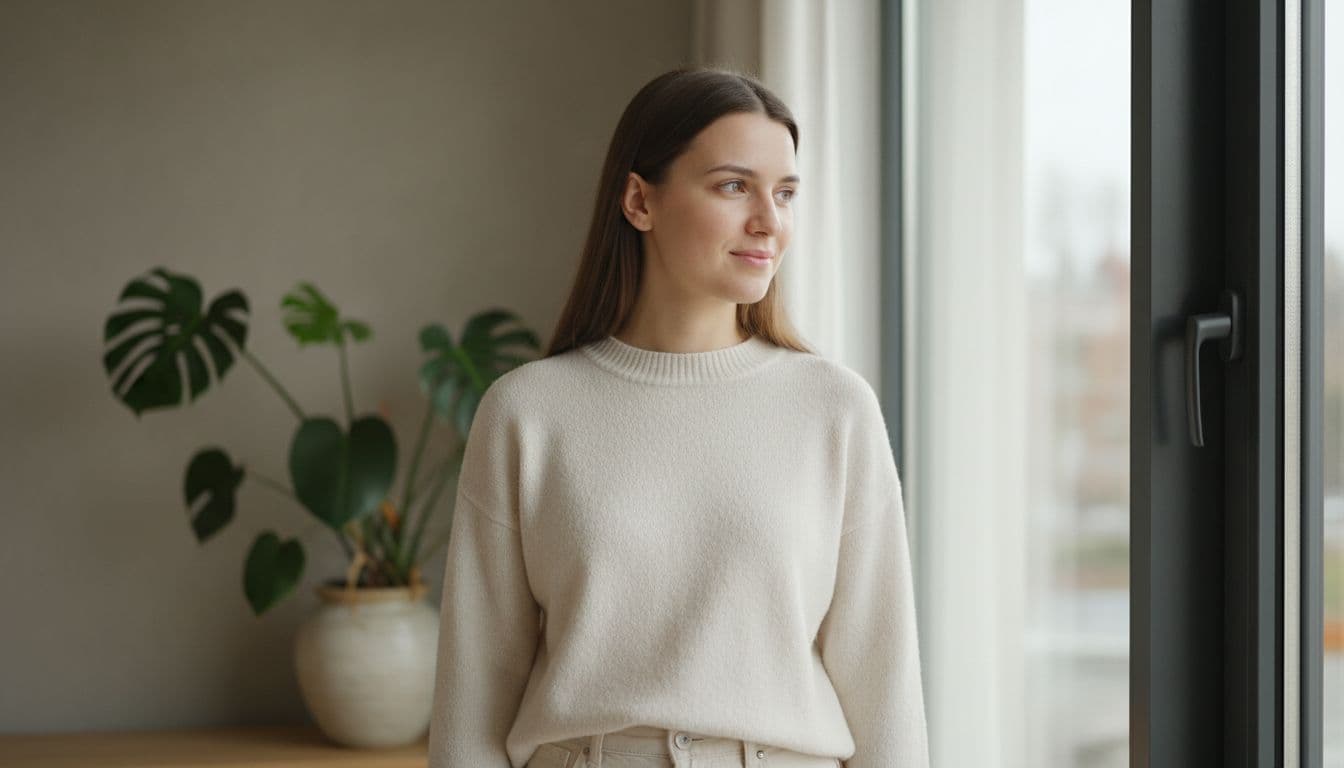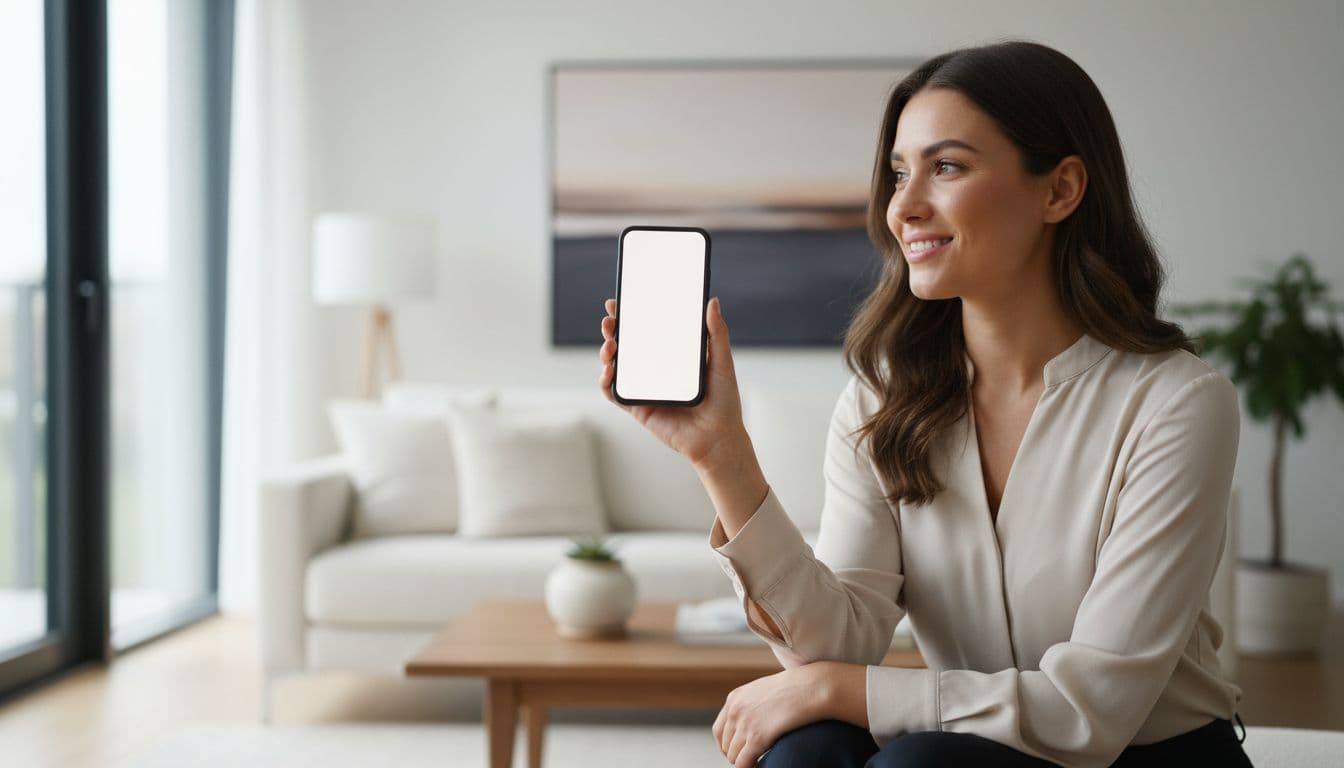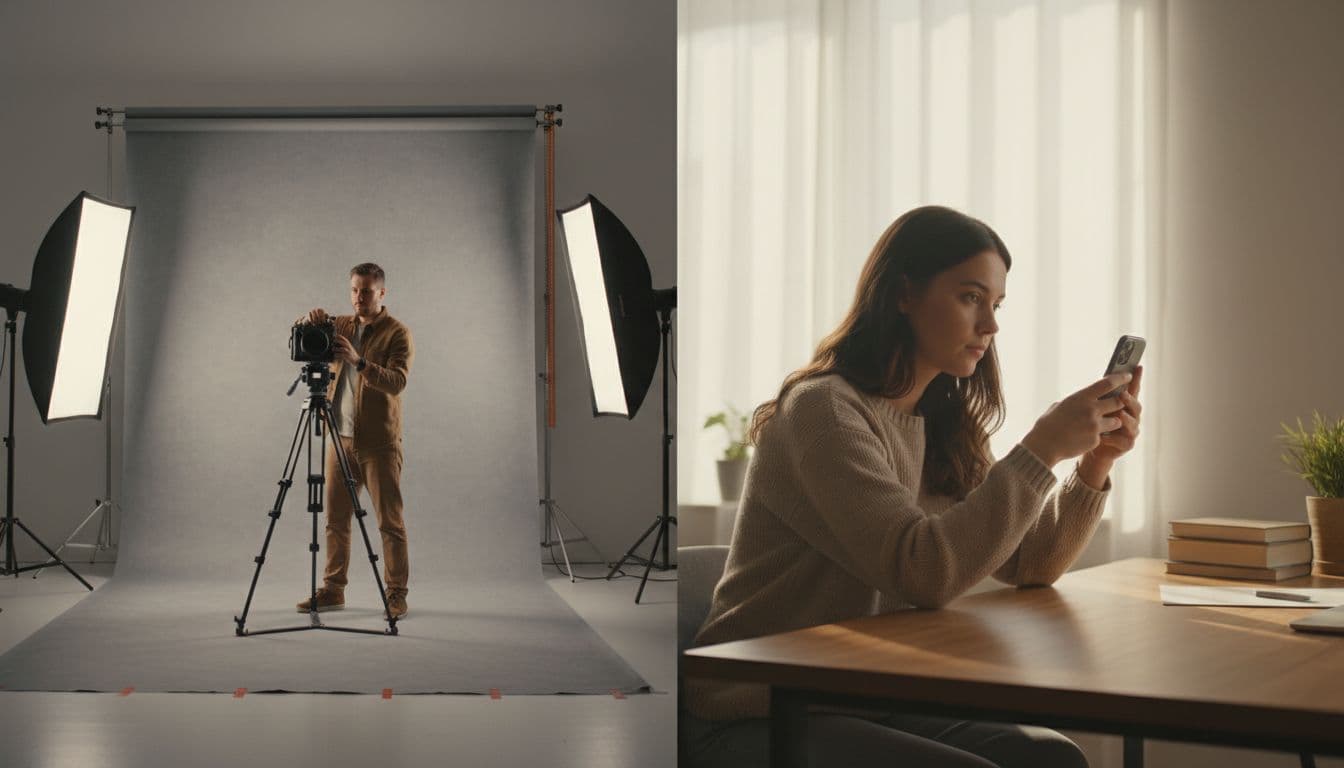
In the AI headshots vs photographer debate, AI wins on speed, cost and the number of retakes, while a photographer wins on live direction and on-location, high-stakes shoots. For most everyday needs, such as LinkedIn, a resume, a team page or a social profile, an AI headshot generated from a good selfie is now good enough, and far easier to repeat.
SelfAI is an AI photo studio and AI photo editor that turns your selfies into professional headshots, portraits and creative photos in minutes, on iOS and in your web browser. That makes it a practical way to test the comparison yourself before you spend a studio budget.
- AI headshots are ready in about two minutes, while a photographer needs a booking, a session and an editing wait.
- AI is the cheaper way to get many options, because you can regenerate until you like the result instead of paying per session.
- A photographer is better at directing your expression and posture in real time, which no selfie can replace.
- Realism is close for everyday use when your selfie is sharp and well lit, and weaker when the input photo is poor.
- The smartest approach for many people is a hybrid: AI for everyday profiles, a photographer for the one shoot that really matters.
AI Headshots vs Photographer: What Is the Real Difference?
A photographer captures a new photo of you, in a real place, under real light. An AI headshot generator starts from photos you already have and rebuilds the lighting, background and clothing around your face. One creates a photograph, the other restyles one.
That single difference explains almost every point in this comparison. A photographer can fix your pose, pick up on a stiff smile and shoot a fresh angle. An AI tool cannot change what you did in the selfie, but it can give you many looks from it, quickly, without any scheduling. Neither approach is wrong. They solve different problems, and a headshot is only as useful as the job you need it to do. For more background, see this overview of portrait photography.
How do cost and turnaround compare?
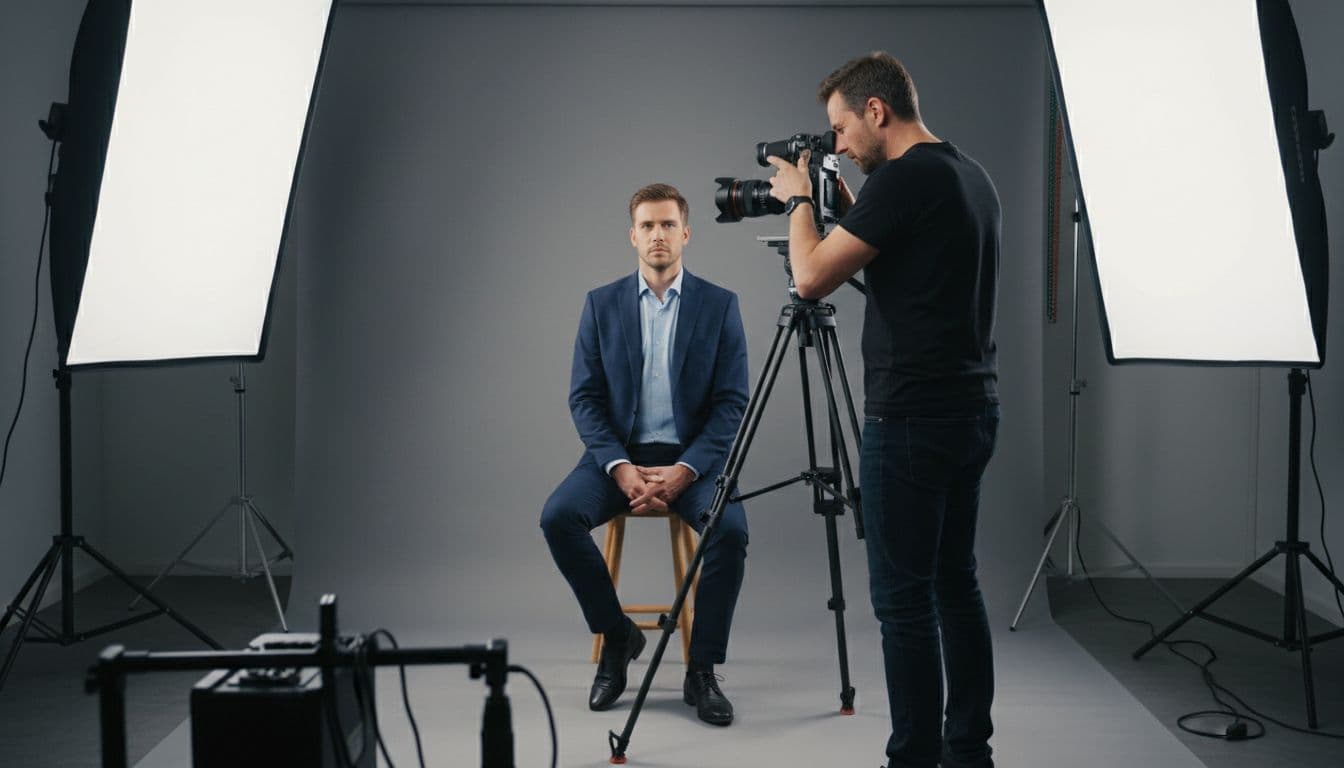
AI is usually the faster and cheaper option, and a photographer is the slower and more expensive one. A studio session means finding a photographer, booking a slot, travelling there, shooting, and then waiting for the edited files. An AI headshot app skips all of that: you upload a selfie and have finished options in about two minutes.
Pricing varies a lot by city and by photographer, so I will not quote numbers here. What stays true everywhere is the shape of the cost. A photographer charges for the session, whether or not you love the results. SelfAI is free to try, with premium plans for more styles and higher resolution, so you can see a result before you commit.
Who gives you more control over retakes and style?
With AI you control the number of retakes. With a photographer you control almost nothing once the session ends. If you dislike your expression in a studio shot, you either live with it or pay for another session. If you dislike an AI result, you pick a different style, try another selfie, or generate again.
SelfAI offers 30+ styles, from a clean corporate headshot to natural light, black and white or golden hour, and you can browse them in the photo styles gallery. A photographer can also give you variety, but each new background, outfit or light setup takes extra time on the day. For anyone who needs a different look for LinkedIn, a speaker page and a dating profile, the AI route is simply less work.
Which looks more realistic and trustworthy?
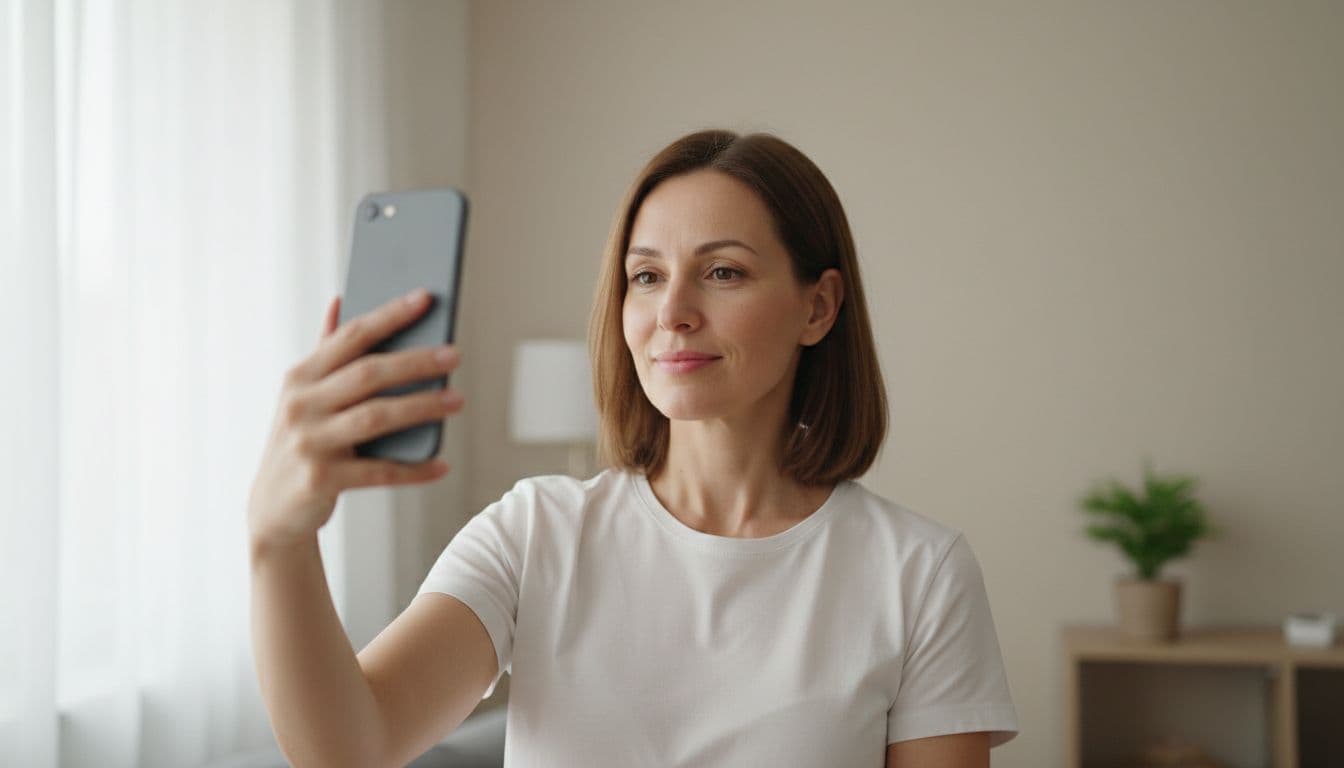
A good photographer still produces the most reliable realism, because the photo is a real capture of a real moment. AI headshots have closed much of the gap, and a strong result keeps your face, skin tone and expression recognizable. The weak point is the input: a blurry, dim or heavily filtered selfie gives the AI less truth to work with.
I tested this myself. In the same week I sat for a short session with a local photographer and uploaded three window-lit selfies to SelfAI. The photographer’s best frame had more natural life in the eyes, because she kept talking and made me laugh. The SelfAI results looked clean and unmistakably like me, and I could compare ten of them side by side in the time it took to drive home. For a LinkedIn photo, I would have been happy with either.
When does a photographer still win?
A photographer wins whenever the photo needs a human director or a real location. That is the honest limit of AI, and it is worth knowing before you decide.
- Expression coaching. A photographer reacts to you in the moment and gets the genuine smile. An AI tool can only work with the expression you already captured.
- Full-body or environmental shots. If you need a portrait in your workshop, office or on stage, a real shoot on location is the better choice.
- Official or regulated photos. Passport, visa and some ID photos have strict rules about the capture itself. Check the issuing authority’s requirements before using any edited image.
- Big, one-off moments. A book jacket, a keynote poster or a press kit can justify the extra effort of a real session.
- Props and group scenes. A team standing together, or a person with equipment, still works best with a camera and a person behind it.
When is an AI headshot the smarter choice?
An AI headshot is the smarter choice when you need a good photo quickly, in several styles, and you can supply one decent selfie. That covers most professional profiles, and it is why more people now use an AI photo app for their everyday headshot.
- Online profiles. LinkedIn, Instagram, a personal website or a speaker page all work well with a clean AI headshot.
- Tight deadlines. You can have a usable photo the same day you need it, without a booking.
- Remote teams. Everyone uploads a selfie from home and the team gets a consistent look without a travel budget.
- Frequent updates. Changed your hair, glasses or role? Generate a fresh headshot instead of paying for a new session.
- Trying before you spend. A free AI result shows you what style suits you before you invest in a studio.
How do I get the most from an AI headshot generator?
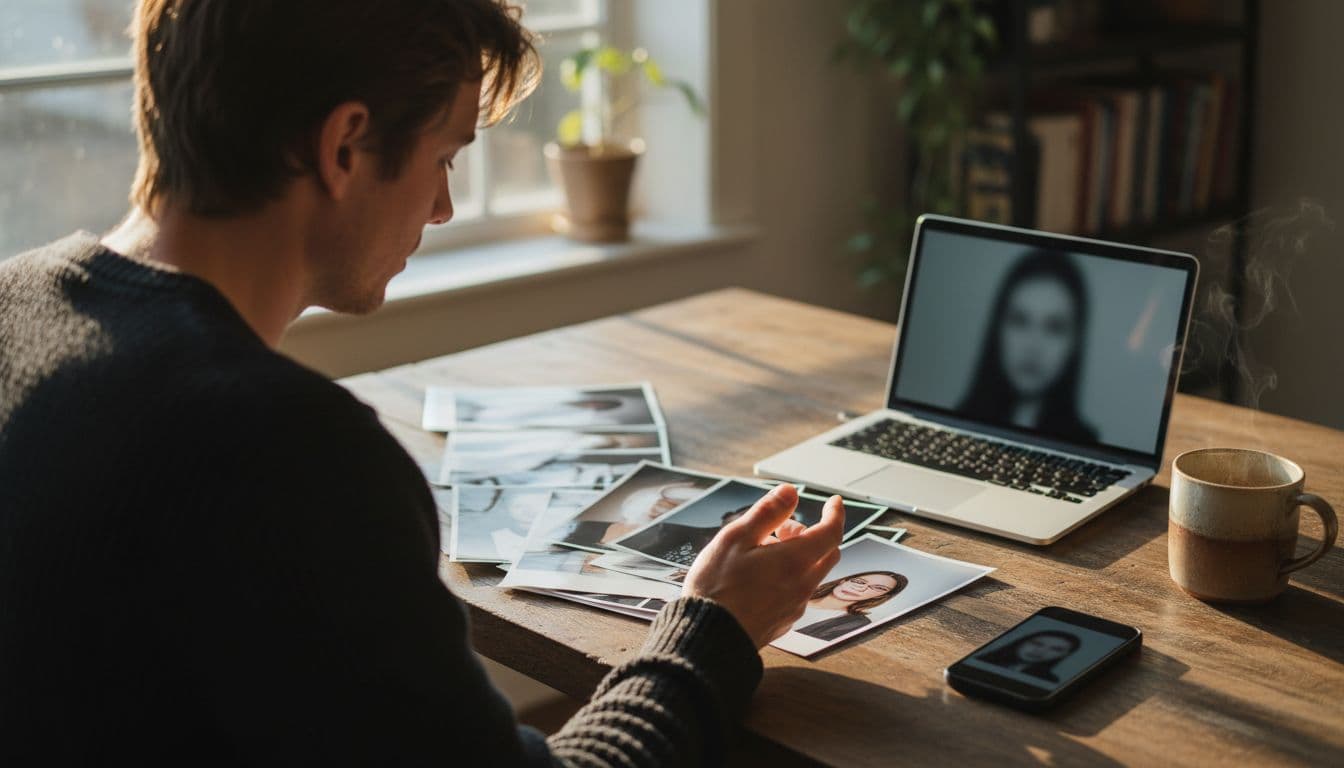
The quality of an AI headshot depends heavily on the selfie you give it, so spend a minute on the input and the result improves a lot. Lighting matters most, and our headshot lighting tips explain how to get soft, even light with just a window.
- Face the light. Stand in front of a window so your face is lit evenly, with no strong shadows.
- Keep it simple. A plain wall behind you and no heavy filters gives the AI the cleanest information.
- Look at the camera. A relaxed, natural expression carries through to every style you generate.
- Try several styles. Generate a corporate look, a natural-light look and one more, then choose the one that fits the platform.
- Check the details. Zoom in on eyes, hands and hairline before you publish, and regenerate if anything looks off.
Can I use both an AI headshot and a photographer?
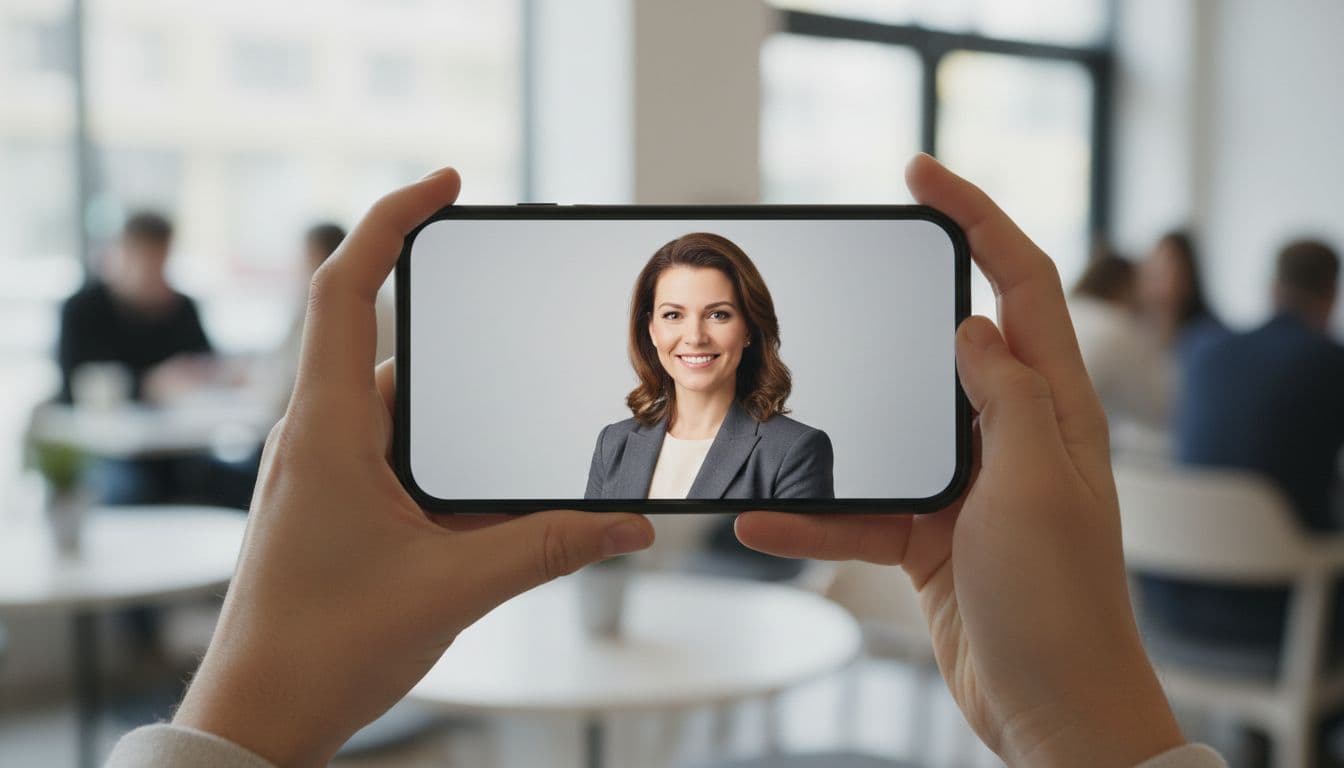
Yes, and many people should. Use a photographer for the one photo that anchors your brand, then use AI for everything around it. A fresh AI headshot for a new job title, a seasonal profile update or a team page costs far less effort than a repeat session.
You can also use AI to prepare for a real shoot. Generate a few styles first, see which background and outfit colors suit you, and bring that direction to the photographer. Our guide to the best AI headshot generator apps shows what to look for in a tool before you start.
Frequently asked questions
- Are AI headshots as good as a photographer?
- For everyday use such as LinkedIn or a resume, a strong AI headshot from a good selfie is often close enough to a studio photo. A photographer still wins on live direction, genuine expression and location shoots.
- Is an AI headshot cheaper than a photographer?
- Usually yes. A photographer charges per session, while SelfAI is free to try and offers premium plans for more styles and resolution. Prices for photographers vary by city, so compare local quotes yourself.
- How long does an AI headshot take compared to a photo shoot?
- An AI headshot in SelfAI takes about two minutes after you upload a selfie. A photo shoot involves booking, the session itself and an editing wait, which can take days.
- Will an AI headshot still look like me?
- Yes, when the selfie is sharp and well lit. SelfAI keeps your face, skin tone and expression recognizable while changing the lighting, background and clothing.
- When should I choose a photographer instead of AI?
- Choose a photographer for full-body or on-location shots, for expression coaching, for group photos and for regulated ID photos that must follow strict capture rules.
- Can I use SelfAI on my iPhone or in a browser?
- Yes. SelfAI is available on iOS and in your web browser, so you can generate a headshot from a selfie on your phone or your laptop.
Pick the option that fits your photo
The AI headshots vs photographer question has no single winner. If you need a polished profile photo today, in a few styles, without a booking, AI is the practical choice. If you need real direction, a location or an official photo, a photographer is still worth it.
The easiest way to decide is to try both ideas cheaply. Upload one good selfie to SelfAI, see what the AI gives you, and then judge whether a studio session would add enough to justify the extra cost and time.
Written by
Taro Nakamura
Editor, AI Photography & Mobile Apps
Taro writes about AI photo editing, headshots and the apps that make them easy. He tests every editor he recommends on a real phone, with real selfies, and only keeps the tools that deliver results in minutes without a manual.
More articles by Taro
 Taro Nakamura